The True Cost of Flower Logistics: A Supply Chain Analysis
When you factor in pallet loading efficiency, labor costs, flower loss, and total cost of ownership, the economics of rectangular reusable packaging are compelling. Here is the full breakdown.
In floriculture logistics, the purchase price of a container is just the tip of the iceberg. The true cost of getting flowers from farm to consumer includes transportation, labor, product loss, storage, waste disposal, and the opportunity cost of inefficiency. When all these factors are considered, the economics of packaging choices become far more nuanced than a simple per-unit price comparison.
The Pallet Loading Advantage: 25% More Flowers Per Truck
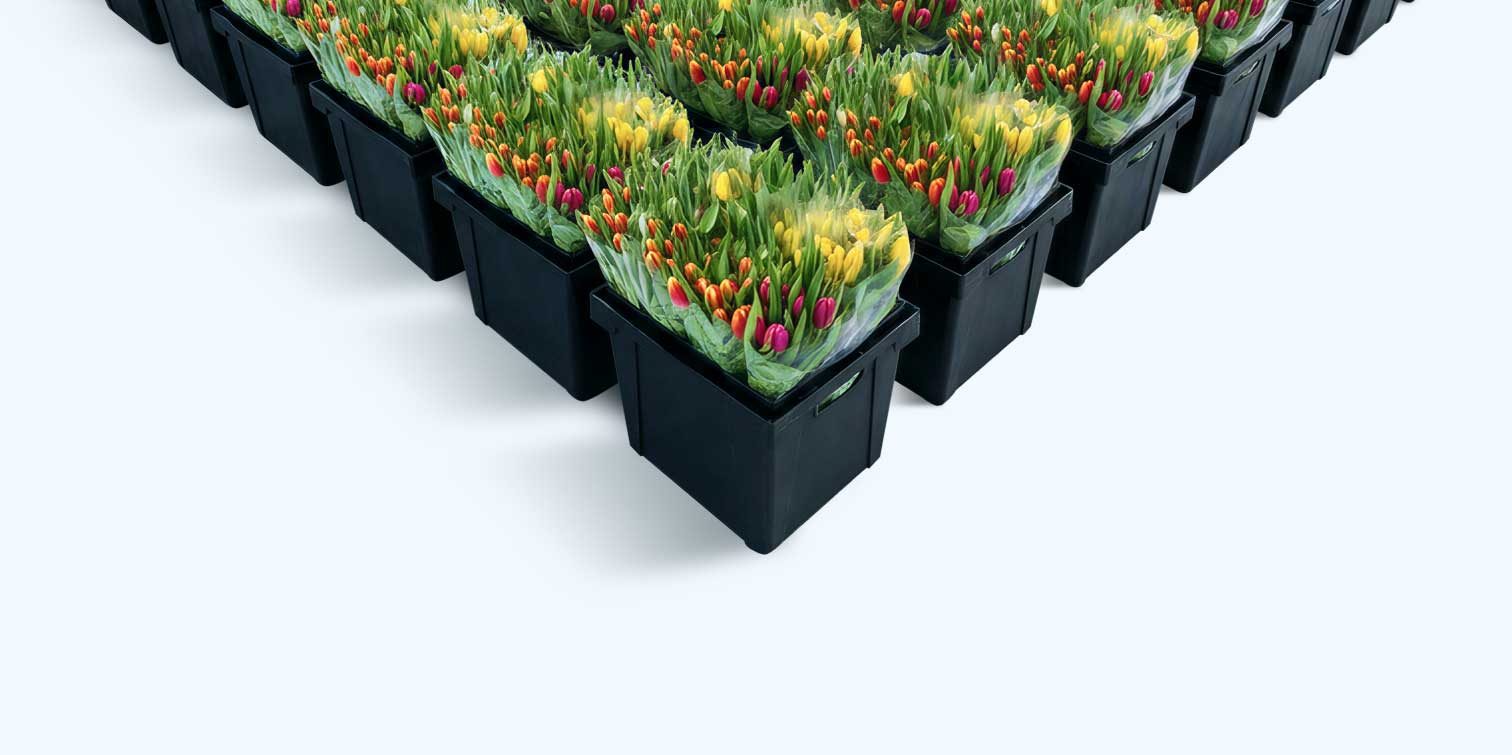
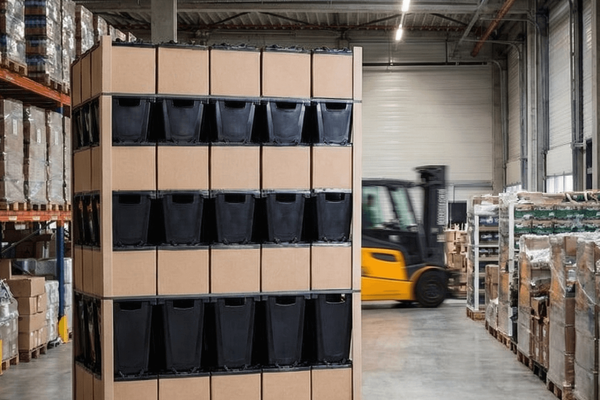
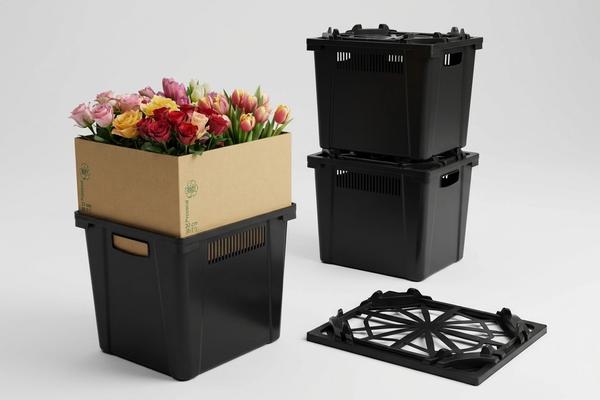
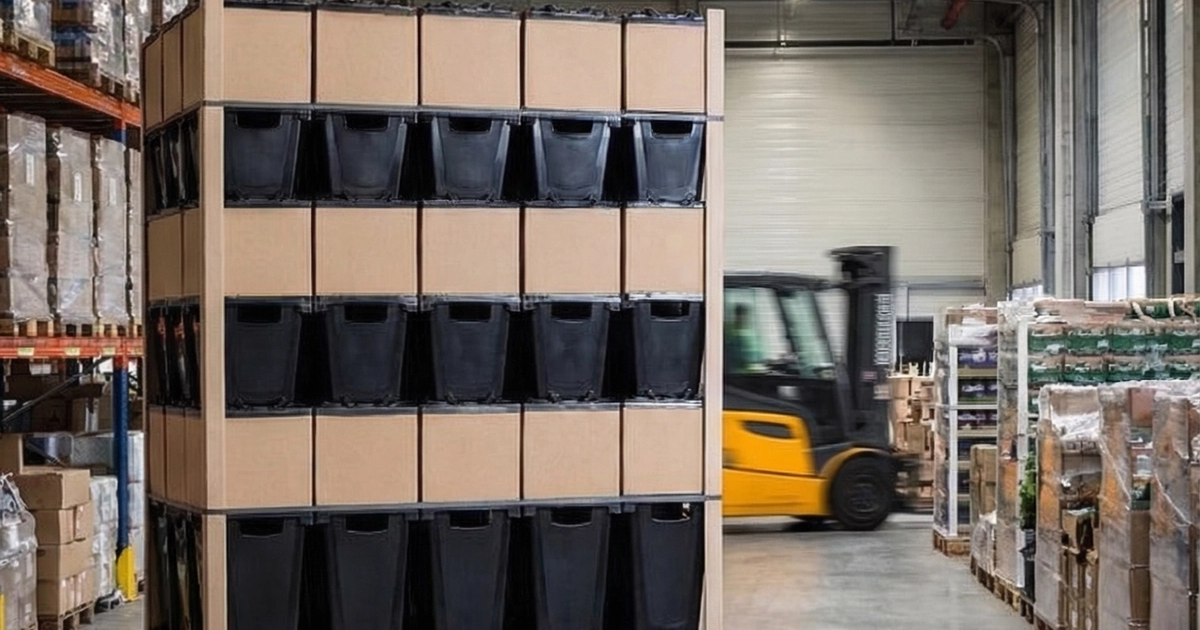
Traditional round buckets waste approximately 21% of available pallet space due to their circular cross-section. The gaps between round containers cannot hold flowers, but they still take up space on the truck and incur transport costs. Procona's rectangular design achieves virtually 100% pallet loading efficiency, enabling roughly 25% more flowers per pallet compared to round bucket alternatives.
Over the course of a year, this efficiency gain translates to significant savings. Fewer pallets mean fewer trucks, less fuel, and lower carbon emissions. For a large grower or exporter shipping millions of stems annually, the transport cost savings alone can justify the switch to rectangular reusable packaging. And these are not theoretical numbers; they are consistently validated by Procona users across multiple markets.
Labor Costs: The Hidden Expense
Handling costs are often overlooked in packaging decisions, but they represent a substantial portion of total supply chain expenses. Disposable packaging requires constant procurement, assembly, filling, and disposal. Damaged containers must be replaced mid-cycle. Empty boxes and buckets need to be stored, managed, and ultimately sent to waste processing.
Procona's reusable system eliminates many of these labor-intensive steps. Containers return to the start of the supply chain, are cleaned, and re-enter circulation. The standardized form factor means workers handle the same familiar container every time, improving speed and reducing errors. Integrated features like the collar and lid system also reduce the need for additional wrapping or protective materials.
Flower Loss: 4% Less Waste
Product loss is arguably the most expensive cost in flower logistics, because it represents not just packaging and transport costs but also the value of the flowers themselves. Industry data suggests that flower loss rates with traditional packaging can reach 8-12% in some supply chains. Procona users consistently report loss rates that are approximately 4 percentage points lower than with conventional packaging.
This reduction comes from multiple factors: continuous hydration prevents dehydration damage, the collar system protects blooms from mechanical impact, controlled ventilation reduces ethylene buildup, and better pallet stability minimizes transit damage. When you calculate the value of those saved flowers across an annual volume, the numbers are substantial.
Total Cost of Ownership
The total cost of ownership (TCO) analysis tells the definitive story. While a single Procona container has a higher upfront cost than a disposable alternative, it is used 80 to 100 times. When the initial investment is spread across all those use cycles, the per-trip cost is dramatically lower than disposable options. Add in the transport savings, labor efficiencies, and reduced flower loss, and the TCO advantage of reusable packaging becomes overwhelming.
Procona provides TCO calculation tools that allow growers and exporters to model the financial impact of switching based on their specific volumes, routes, and product mix. In virtually every scenario, the transition to reusable rectangular packaging delivers a positive return on investment within the first year of operation.
Making the Business Case
For operations managers and CFOs evaluating packaging options, the data is clear. Reusable rectangular packaging like Procona delivers measurable savings across every dimension of the supply chain. The question is not whether it saves money, but how much, and the answer depends on your specific logistics setup. Reach out to Procona for a custom cost analysis tailored to your operation.