Sustainability Reporting in Floriculture: What You Need to Know
As sustainability reporting requirements tighten across the EU and beyond, floriculture businesses need reliable data on their environmental impact. Here is how to get ahead of the curve.
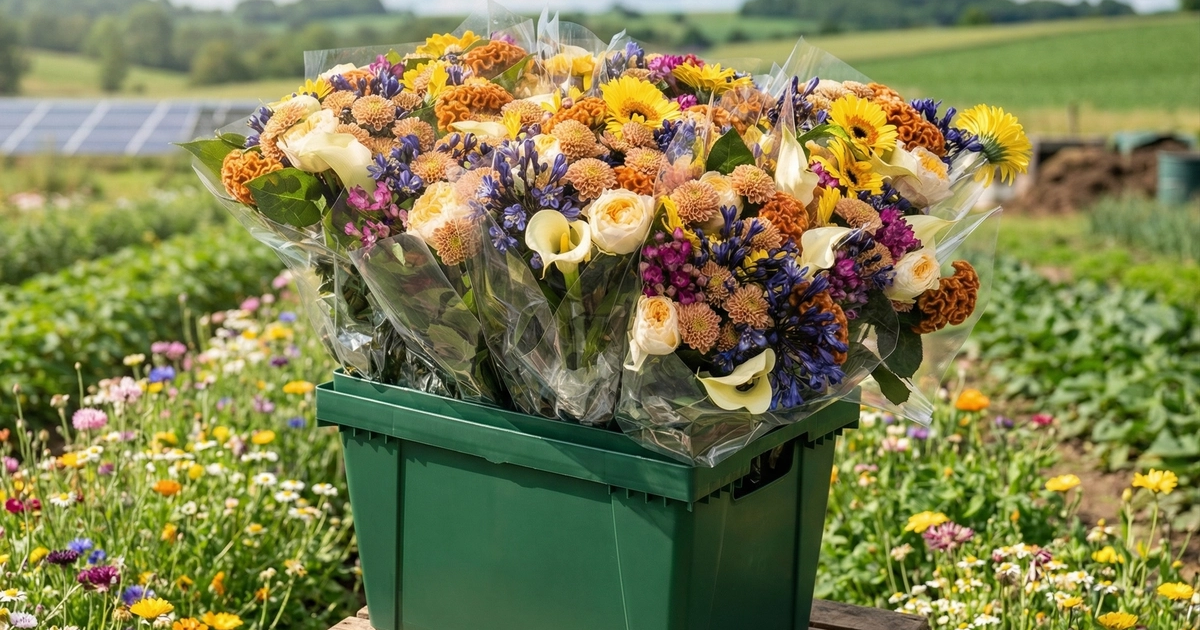
Sustainability is no longer a nice-to-have for floriculture businesses. The European Union's Corporate Sustainability Reporting Directive (CSRD), expanding retailer sustainability requirements, and growing consumer demand for transparent environmental practices are converging to make sustainability reporting a business necessity. For growers, exporters, and distributors, the challenge is not just reducing environmental impact, but measuring and reporting it in a credible, standardized way.
The Regulatory Landscape
The CSRD, which is being phased in across the EU, requires companies above certain size thresholds to report detailed environmental, social, and governance metrics. Even businesses that fall below the reporting thresholds are affected, because their larger customers and partners will require sustainability data from their supply chains. In floriculture, this means that growers in Kenya, Colombia, and Ethiopia will increasingly be asked to provide environmental data to their European buyers.
Beyond the EU, similar regulatory frameworks are emerging in the UK, the US, and other major flower-consuming markets. The direction of travel is clear: detailed sustainability reporting is becoming a standard cost of doing business in international floriculture.
Life Cycle Analysis: The Foundation of Credible Reporting
Life Cycle Analysis (LCA) is the gold standard methodology for measuring environmental impact. An LCA examines the environmental footprint of a product or process across its entire life cycle, from raw material extraction through manufacturing, use, and end-of-life disposal or recycling. For packaging, this means accounting for material sourcing, production energy, transport, reuse cycles, and eventual recycling or disposal.
Procona provides LCA tools specifically designed for floriculture packaging. These tools enable users to quantify the CO2 savings, material efficiency, and waste reduction achieved by using Procona's reusable system compared to single-use alternatives. The data generated is formatted for direct use in sustainability reports and is aligned with international reporting standards.
FSC-Certified Collars and Water-Based Inks
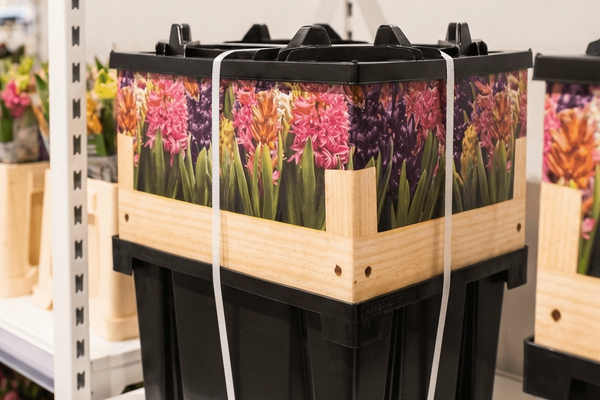
Packaging sustainability is not just about the container itself. Procona's corrugated collars are FSC-certified, meaning the paper fiber comes from responsibly managed forests. The printing on collars and other branded elements uses water-based inks rather than solvent-based alternatives, eliminating volatile organic compound (VOC) emissions during production.
These details matter for sustainability reporting because they allow businesses to demonstrate responsible sourcing throughout their packaging supply chain. Certifications like FSC provide third-party verified proof points that strengthen the credibility of sustainability claims.
100% Recyclable Materials
At end of life, all Procona products are 100% recyclable. The polypropylene used in buckets, collars, and lids can be processed through standard recycling streams and turned into new products. This is not theoretical; Procona actively incorporates up to 50% recycled content (regranulate) in its manufacturing process, closing the loop on material flows.
For sustainability reporting purposes, this circular approach provides powerful data points. Businesses can report on waste diversion rates, recycled content percentages, and end-of-life recyclability, all backed by verifiable material specifications.
Getting Ahead of the Curve
Businesses that invest in sustainability measurement and reporting now will be better positioned as requirements tighten. They will have historical data to demonstrate improvement trends, established processes for data collection, and credible stories to tell customers and regulators. Procona's sustainability tools and certifications provide the building blocks for a robust floriculture packaging sustainability strategy.
The businesses that treat sustainability reporting as a strategic advantage rather than a compliance burden will be the ones that thrive in the evolving floriculture landscape.